What Comprehensive Dog Grooming Courses Typically Include
Thorough dog grooming courses typically cover essential bathing and brushing techniques tailored to coat types, safe nail trimming and paw care, and mastering clipping, trimming dog grooming course, and styling skills with various tools. They emphasize understanding breed-specific grooming needs to maintain natural appearance and comfort. Health and safety practices, including proper handling, tool sanitation, and emergency protocols, are integral. Exploring these core areas guarantees a well-rounded grooming education, revealing further specialized skills and knowledge beyond the basics.

Essential Bathing and Brushing Techniques
Several fundamental bathing and brushing techniques form the foundation of effective dog grooming.
Bathing involves selecting appropriate shampoos suited to the dog’s coat type and skin sensitivity, ensuring cleanliness without irritation cosmos pet universe. Water temperature should be comfortably warm, and thorough rinsing is critical to remove all soap residues.
Brushing varies by breed and coat texture; regular sessions prevent matting and distribute natural oils, promoting a healthy sheen. Techniques include gentle, consistent strokes following hair growth direction to avoid discomfort.
Tools such as slicker brushes, combs, and de-shedding tools are chosen based on the dog’s specific needs. Mastery of these basics empowers handlers to maintain coat health and cleanliness, fostering a sense of freedom through self-sufficient grooming.
Nail Trimming and Paw Care
Proper nail trimming and paw care are essential components of thorough dog grooming. Extensive courses teach how to safely trim nails, avoiding the quick to prevent pain and bleeding. Techniques for using various tools like clippers and grinders are covered, ensuring efficiency and comfort for the dog.
Paw care instruction includes cleaning between pads, checking for debris, and addressing rough or cracked skin. Understanding signs of infection or injury is emphasized, promoting early intervention. These skills empower groomers to maintain paw health, enhancing overall canine mobility and wellbeing.
Clipping, Trimming, and Styling Skills
Mastering clipping, trimming, and styling skills is essential for achieving a polished and breed-appropriate appearance in dog grooming.
Thorough courses focus on teaching precise techniques to safely use clippers, scissors, and thinning shears, ensuring clean lines and balanced proportions.
Students learn to adapt tools and methods to different coat types, whether dense, wiry, or curly, enabling versatile grooming outcomes.
Emphasis is placed on developing a steady hand and keen eye for detail, allowing groomers to enhance a dog’s natural features while maintaining comfort.
These skills grant groomers the freedom to express creativity within professional standards, shaping a dog’s look to suit lifestyle and owner preferences.
Proper training fosters confidence in executing stylish, functional cuts that promote health and aesthetic appeal.
Understanding Breed-Specific Grooming Requirements
Building on the technical skills of clipping, trimming, and styling, understanding the unique grooming needs of each dog breed guarantees that these techniques are applied effectively and respectfully.
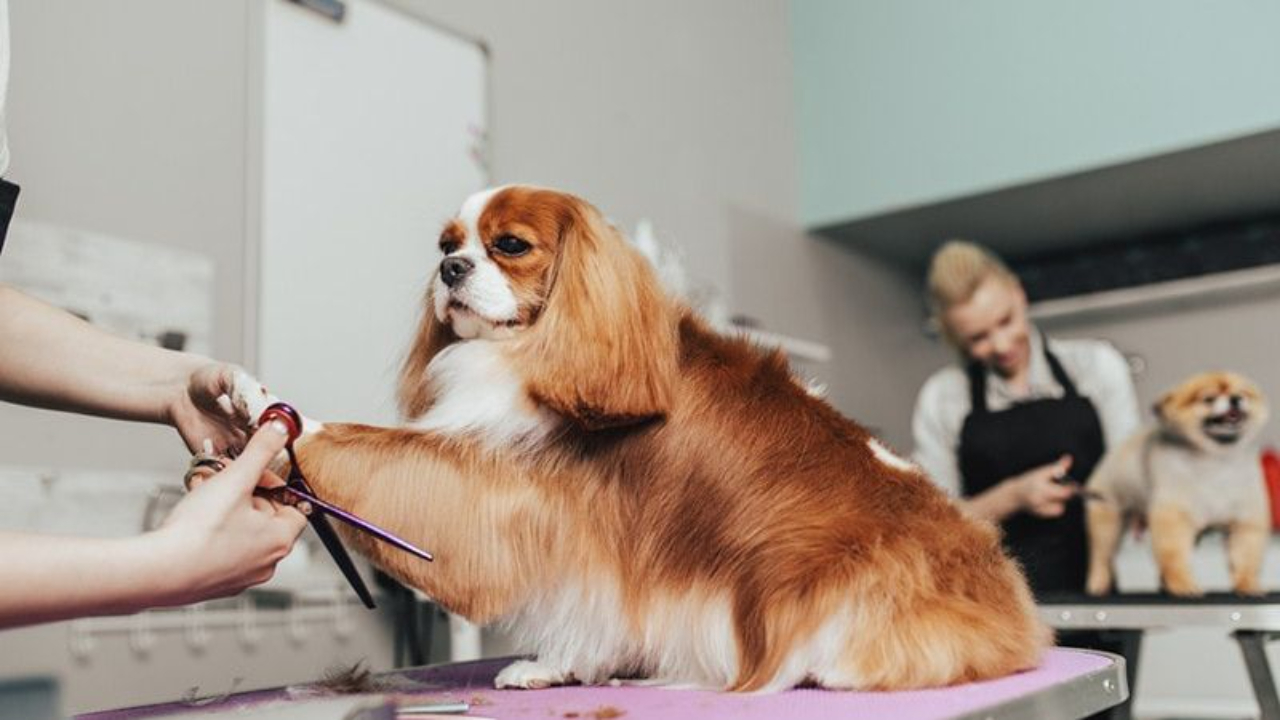
Different breeds possess distinct coat types, textures, and growth patterns, which influence the choice of tools and methods. For instance, a poodle requires regular scissoring and shaping to maintain its characteristic look, while a husky benefits from thorough deshedding to manage its dense double coat.
Recognizing breed-specific features also helps maintain the dog’s comfort and natural appearance. Extensive courses emphasize breed standards alongside practical adaptations, empowering groomers to work confidently and creatively within each breed’s requirements, ultimately honoring the dog’s individuality and promoting grooming freedom.
Health and Safety Practices in Dog Grooming
Although grooming techniques focus on aesthetics, prioritizing health and safety is essential to protect both the dog and the groomer during every session.
Thorough dog grooming courses emphasize proper handling to minimize stress and prevent injury. They teach the use of sanitized tools and safe grooming products to avoid infections or allergic reactions.
Understanding dog behavior signals helps in managing anxious or aggressive pets calmly. Courses also cover ergonomic practices to reduce groomer fatigue and injury.
Emergency protocols, including first aid for cuts or allergic responses, are integral to training. By mastering these health and safety measures, groomers guarantee a secure, comfortable environment that respects the dog’s well-being and fosters a sense of freedom throughout the grooming process.
Conclusion
Thorough dog grooming courses equip learners with essential skills such as bathing, brushing, nail trimming, and styling. They emphasize understanding breed-specific grooming needs and prioritize health and safety practices. These courses guarantee that groomers are well-prepared to provide professional care tailored to each dog’s requirements, promoting both the animal’s well-being and appearance. Ultimately, such training fosters expertise and confidence necessary for successful grooming careers.
…