
Prepare your dog for a stress-free boarding stay with these expert tips.
Choosing the right facility, updating vaccinations, and packing essentials are key steps dog boarding.
Familiarizing your furry friend with the environment and communicating their routine ensure a smooth transition.
Whether for a weekend getaway or an extended trip, following these guidelines will provide peace of mind knowing your dog is well-prepared and cared for during their time away from home.
Choosing the Right Boarding Facility
When selecting a boarding facility for your dog, consider their staff qualifications and experience. A reputable facility should have well-trained staff capable of handling various situations that may arise during your dog’s stay.
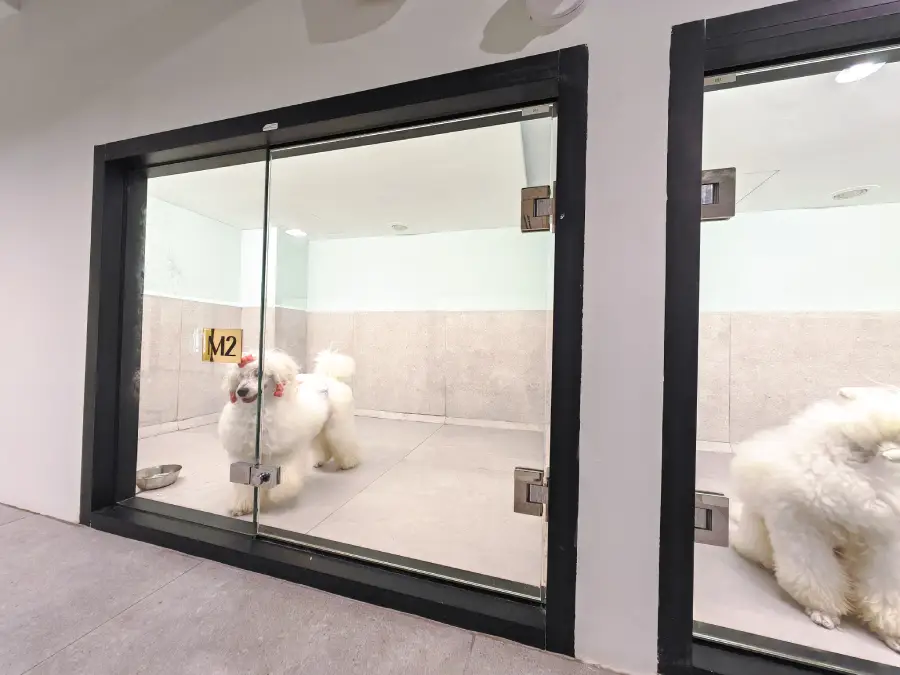
Before making a decision, take a facility tour to inspect the amenities provided. Look for clean and spacious living quarters, play areas, and any additional services offered.
Reading reviews online can also give you insight into the facility’s reputation. Positive reviews often indicate satisfied customers who trust the facility with their pets. On the contrary, negative reviews may highlight issues that could potentially affect your dog’s experience.
A combination of thorough research, facility visits, and reviews can help you make an informed decision when choosing the right boarding facility for your furry companion. Your dog’s well-being and happiness are paramount, so ensure that the chosen facility aligns with your expectations and standards.
Updating Vaccinations and Medications
To ensure the health and safety of your dog during their boarding stay, it is crucial to update their vaccinations and medications. Before boarding your dog, check the vaccine requirements of the facility. Typically, boarding facilities mandate vaccines for rabies, distemper, parvovirus, and bordetella (kennel cough). Ensure your dog is up to date on all these vaccinations to prevent the spread of diseases in a communal environment.
Additionally, provide clear medication instructions to the boarding staff. Prepare a detailed list of your dog’s current medications, dosages, and administration schedules. Include any special instructions or precautions that need to be followed. It’s recommended to pack all medications in their original containers to avoid confusion and ensure the right medication is given to your dog.
Packing Essentials for Your Dog
Updating your dog’s vaccinations and providing clear medication instructions are essential prerequisites before packing essentials for your dog for their boarding stay. When it comes to packing, consider your dog’s comfort and well-being during their time away from home. If your furry friend experiences travel anxiety, pack familiar items such as their favorite blanket or toy to provide a sense of security. These comfort items can help reduce stress and make your dog feel more at ease in a new environment.
Additionally, don’t forget to pack enough food for your dog’s stay, including any special dietary requirements they may have. Label the food clearly with feeding instructions to ensure continuity in their diet. Bring along your dog’s medications in their original containers, and provide detailed instructions for the boarding staff on when and how to administer them.

Familiarizing Your Dog With the Facility
One important step in preparing your dog for a boarding stay is familiarizing them with the facility. To ease your dog’s transition, consider arranging a facility tour before their stay. This will help your furry companion become familiar with the sights, sounds, and smells of the location, reducing anxiety during their actual stay. Desensitization techniques can also be beneficial. Gradually expose your dog to elements of the facility, such as the boarding area or the kennel they will stay in, to help them acclimate to the new environment.
Additionally, practicing short stays at the facility can help your dog become more comfortable with being away from home. Start with brief visits and gradually increase the duration to simulate their boarding stay. Use positive reinforcement during these practice stays to reward your dog’s good behavior and create positive associations with the facility.
Communicating Your Dog’s Routine
When preparing your dog for a boarding stay, it is essential to communicate your dog’s routine to the facility staff to maintain continuity and comfort for your pet. Establishing boundaries and setting expectations regarding your dog’s daily schedule, feeding times, exercise routines, and any specific habits or preferences they have will help the staff provide personalized care. Clearly outlining your dog’s routine can help alleviate any stress or anxiety your pet may experience in a new environment.
Inform the boarding facility about your dog’s typical waking and sleeping times, preferred potty schedule, and any medications they need to take. Providing details about their favorite toys, treats, or activities can also help maintain a sense of familiarity for your dog. Additionally, if your dog has any particular behaviors, fears, or triggers, sharing this information will enable the staff to tailor their approach accordingly.
Conclusion
In conclusion, preparing your dog for a boarding stay involves several key steps:
- Selecting a suitable facility
- Ensuring vaccinations and medications are up to date
- Packing necessary items
- Familiarizing your dog with the facility
- Communicating their routine
By taking these steps, you can help ease your dog’s transition into a boarding environment and ensure they have a comfortable and stress-free stay.