
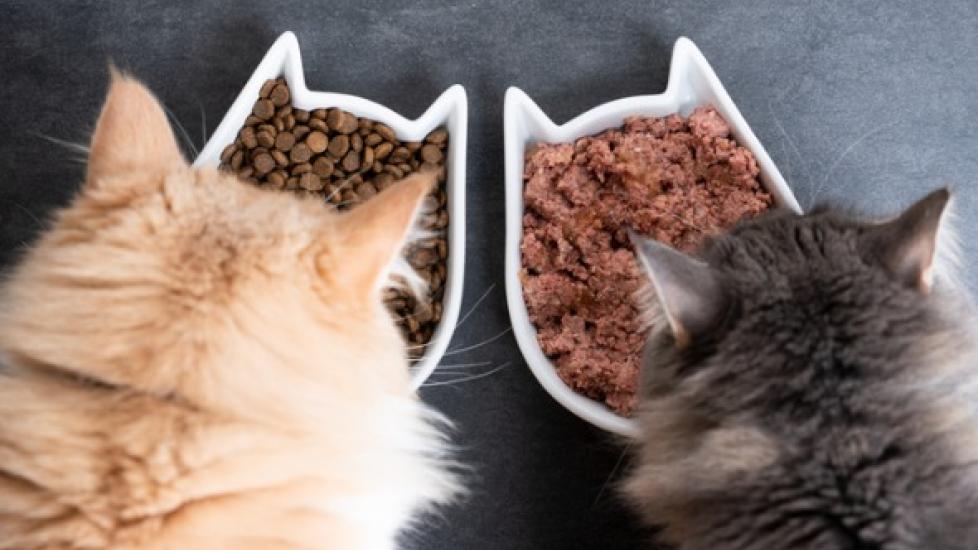
In the debate over wet versus dry cat food, pet owners find themselves navigating a sea of options to ensure their feline companions receive optimal nutrition pet food near me. This article delves into the key considerations surrounding this choice, including the nutritional content, hydration benefits, dental health implications, convenience, cost factors, and palatability.
By weighing the pros and cons of each type of food, pet owners can make informed decisions aligned with their cat’s welfare and individual preferences.

Nutritional Content
Comparing the nutritional content of wet and dry cat food reveals distinct differences in ingredient composition and moisture levels. Wet cat food typically contains higher moisture content, which can help keep cats hydrated and aid in urinary tract health. Additionally pet universe nourish, wet cat food often has a higher protein content, which is essential for muscle growth and overall feline health.
On the other hand, dry cat food tends to have a higher carbohydrate content, which can be a concern for cats prone to obesity or diabetes. It is essential for cat owners to consider these differences in nutritional content when choosing between wet and dry cat food to ensure their feline companions receive a balanced diet that meets their specific dietary needs.
Hydration Benefits
Given its higher moisture content, wet cat food offers significant hydration benefits for felines compared to dry cat food. Cats are naturally low-volume drinkers, and many struggle to meet their daily water intake requirements. Wet cat food can help bridge this gap as it typically contains around 70-80% water, aiding in keeping cats well-hydrated.
Proper hydration is crucial for kidney function, digestion, and overall health in cats. By incorporating wet cat food into their diet, cat owners can potentially prevent issues like urinary tract infections and kidney disease, which are more common in cats that do not consume enough water.
Ensuring adequate hydration through wet cat food can contribute to a happier, healthier feline companion.
Dental Health Considerations
Continuing the focus on hydration benefits, dental health considerations play a crucial role in evaluating the impact of wet versus dry cat food on feline well-being.
While both wet and dry cat food can contribute to a cat’s overall dental health, there are some differences to consider. Wet food has a higher moisture content, which can help in reducing the accumulation of plaque and tartar on teeth.
On the other hand, dry cat food may provide some dental benefits due to its crunchy texture, which can help in scrubbing away plaque as cats chew. However, it’s essential to note that solely relying on dry food for dental health may not be sufficient, and regular dental check-ups and proper dental care are still necessary to ensure optimal oral health for your feline companion.
Convenience and Cost Factors
Analyzing the convenience and cost factors of wet and dry cat food reveals key considerations for pet owners seeking the most practical and economical feeding options.
Dry cat food tends to be more convenient due to its longer shelf life, ease of storage, and the ability for cats to graze throughout the day. On the other hand, wet cat food is often seen as more palatable for cats and can help with hydration.
In terms of cost, dry cat food is generally more affordable per serving, making it a budget-friendly option for pet owners with multiple cats or those on a tight budget. However, wet cat food may be necessary for cats with specific health issues or picky eaters, even though it can be more expensive.
Palatability and Preferences
When considering the palatability and preferences of cats, it is crucial to acknowledge their individual tastes and dietary inclinations. Cats, known for their discerning palates, may show a preference for either wet or dry cat food based on various factors.
Some cats may enjoy the moisture content and flavors of wet food, while others may prefer the crunchiness and convenience of dry kibble. Factors such as age, health conditions, and personal preferences can all influence a cat’s food choice.
It is important for cat owners to observe their feline companions closely and experiment with different food options to determine what suits their cat best. Ultimately, respecting a cat’s unique preferences is key to ensuring they maintain a healthy and balanced diet.
Conclusion
In conclusion, both wet and dry cat food have their own set of pros and cons.
Wet cat food provides higher moisture content and can support hydration in cats, while dry cat food is more convenient and cost-effective.
The nutritional content, dental health considerations, and palatability also play a role in choosing the best option for cats.
It is important for cat owners to consider these factors and consult with a veterinarian to determine the most suitable diet for their feline companions.